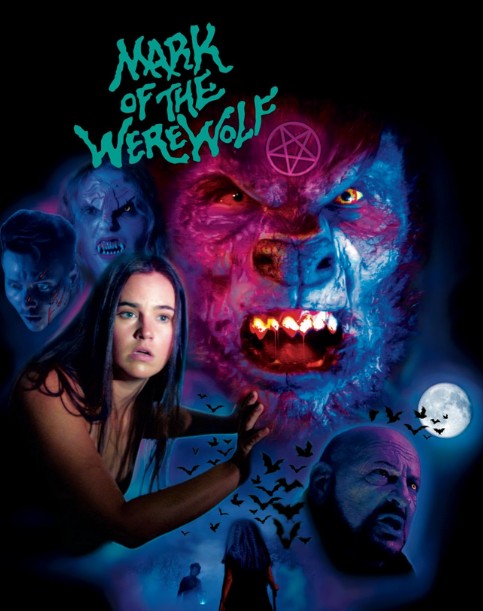
 SYNOPSIS:
Mark of the Werewolf (2025) is a supernatural horror film by Dennis Vincent, following NYC fashion models on a photoshoot in a country cottage where they ignore warnings from a witch named Zelda, who then conjures a vengeful werewolf (Der Wolfgeist) to slaughter them, exploring themes of revenge, curses, and the thin line between human and beast in a gothic, low-budget style.
REVIEW:
Dennis Vincent’s Mark of the Werewolf is far from your typical Hollywood werewolf movie — and that’s exactly what makes it such an enjoyable watch. A lean, energetic entry into the indie horror scene, this 2025 release blends old-school creature-feature vibes with inventive lore and practical effects that genuinely stand out, especially for a film operating on a modest budget.
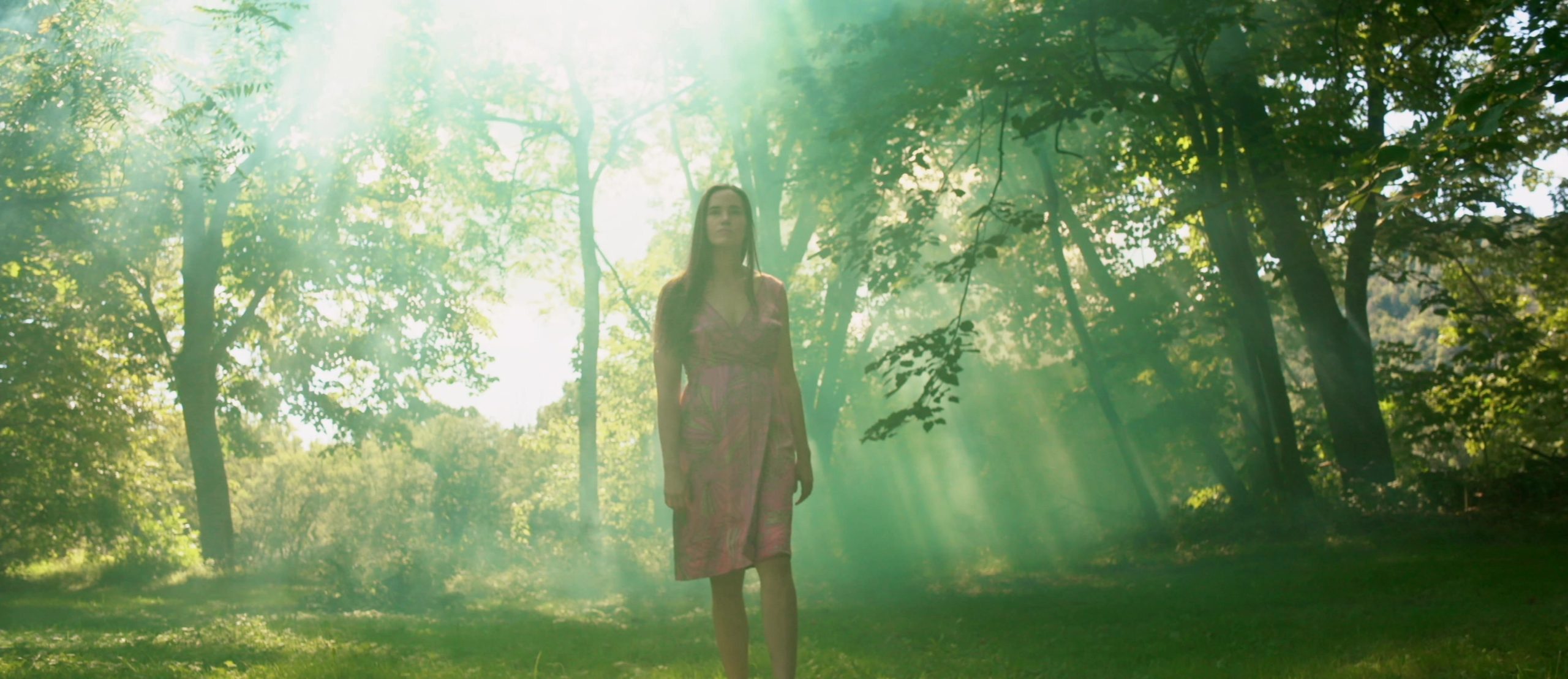
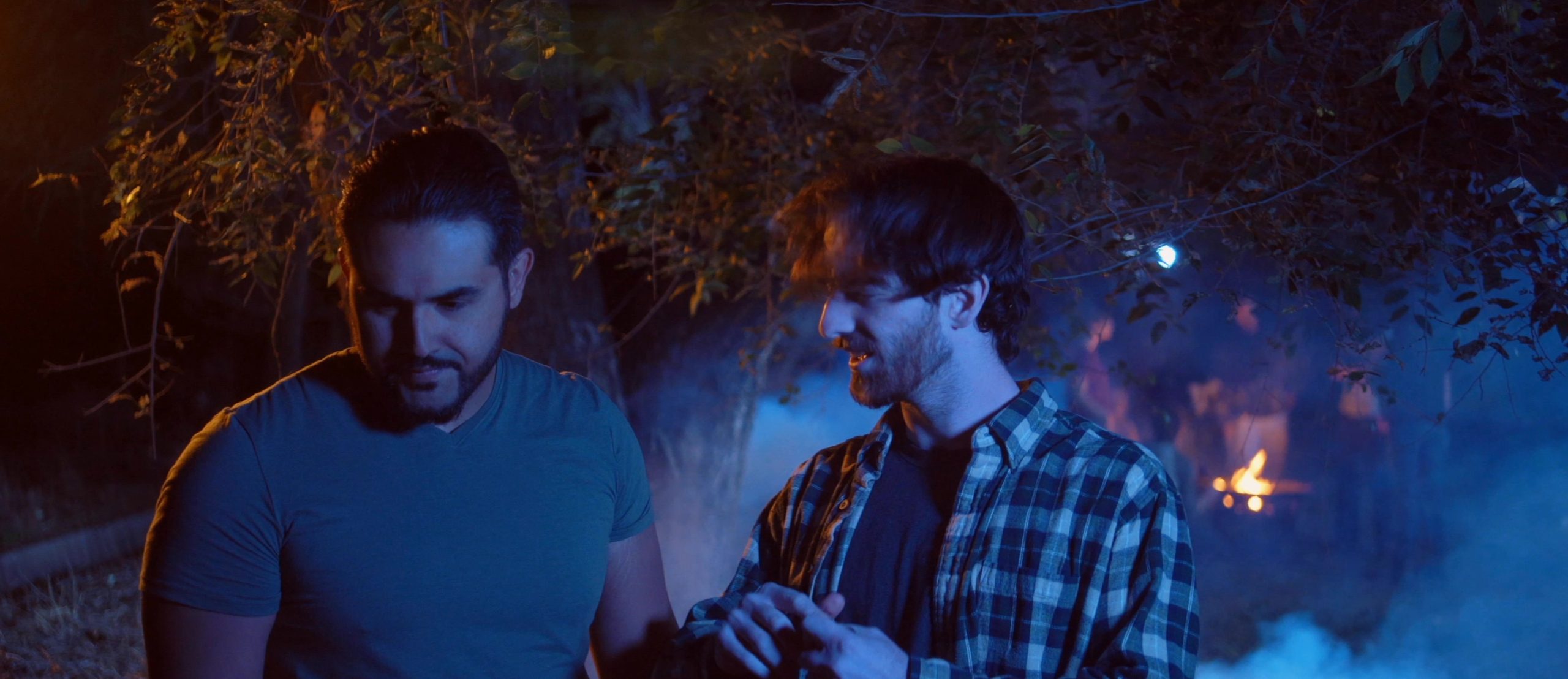
The story centers on Brooke Meadows (Mary Liz Adams), a fashion model and aspiring actress from New York, who heads out to the countryside with her friends for a photo shoot and weekend getaway. The narrative is simple on the surface — essentially a classic horror setup where a group of young people ignore ominous warnings and end up paying the price — but Vincent and company inject enough personality and atmosphere to keep it compelling from start to finish.
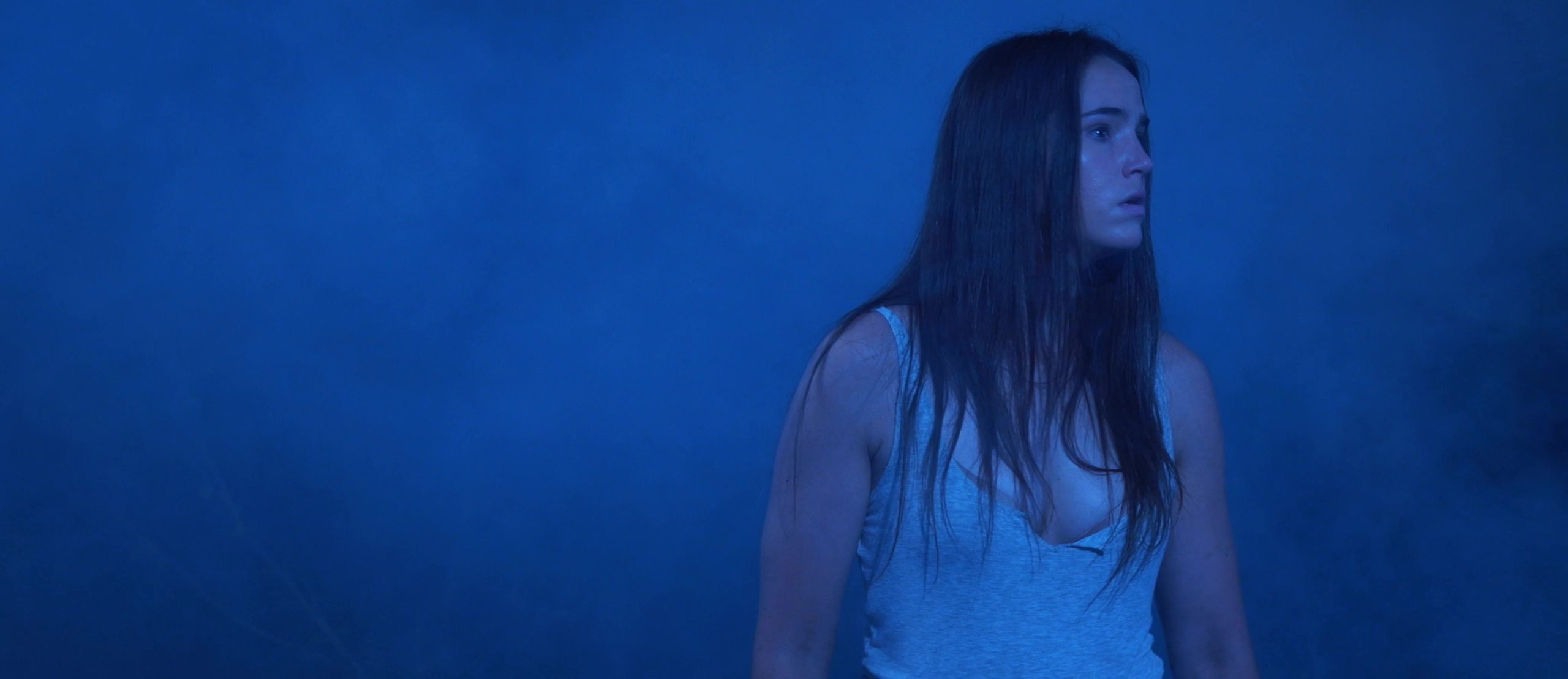
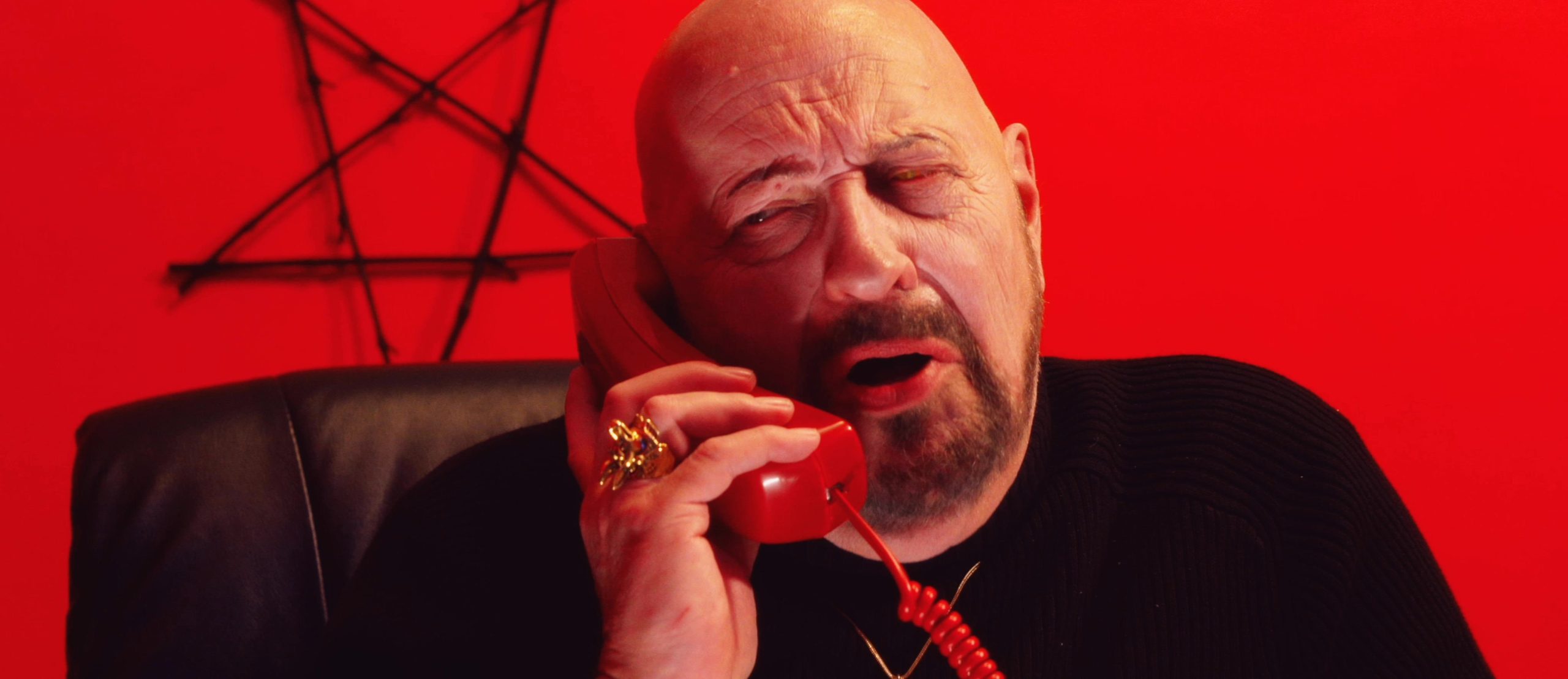
Early on, the group encounters a mysterious witch figure who cautions them to leave the rented cottage before nightfall or face the wrath of Der Wolfgeist, the titular werewolf spirit. Of course, curiosity and youthful bravado win out, and from there the film’s tension builds steadily toward a confrontation that is as gruesome as it is fun.
One of the film’s greatest strengths is its unabashed love for the genre. Vincent clearly made this movie for fans like himself — those who grew up watching full-moon thrillers and delight in seeing practical creature effects brought to life. The werewolf design here is particularly memorable: snarling, menacing, and tactile in a way that CGI heavyweights often fail to achieve. The beast feels alive, its presence in dark woods and moonlit clearings giving the film a visual identity that lingers long after the credits roll.
Horror Society
The cast delivers solid work as well, with performances that feel real, grounded, and entirely appropriate for the material. While the characters may not be heroes you root for in the traditional sense — and in fact, many are delightfully, gloriously unlikable — that plays into the film’s strengths rather than detracting from them. Their flawed decisions and bickering dynamics actually add to the suspense, because you know exactly the kinds of choices that lead to trouble in horror movies — and yet you’re still invested enough to see how it all plays out.
From a pacing perspective, Mark of the Werewolf moves briskly. At roughly 83 minutes, it wastes little time in escalating tension and delivering payoff. There’s no excessive world-building or filler — just a straightforward descent into darkness, punctuated by moments of genuine horror and well-executed practical kill sequences that horror aficionados will appreciate.
Vincent’s direction here is confident and efficient. He leans into the genre’s strengths — creeping shadows, eerie soundscapes, and the ominous weight of folklore — without being weighed down by overcomplicated mythology. What Mark of the Werewolf lacks in blockbuster polish it more than makes up for with creativity and heart. It’s a film that wears its influences proudly yet finds its own voice within that space. Its presentation is rich in practical effects and video editing finesse featuring a cool looking werewolf to boot!
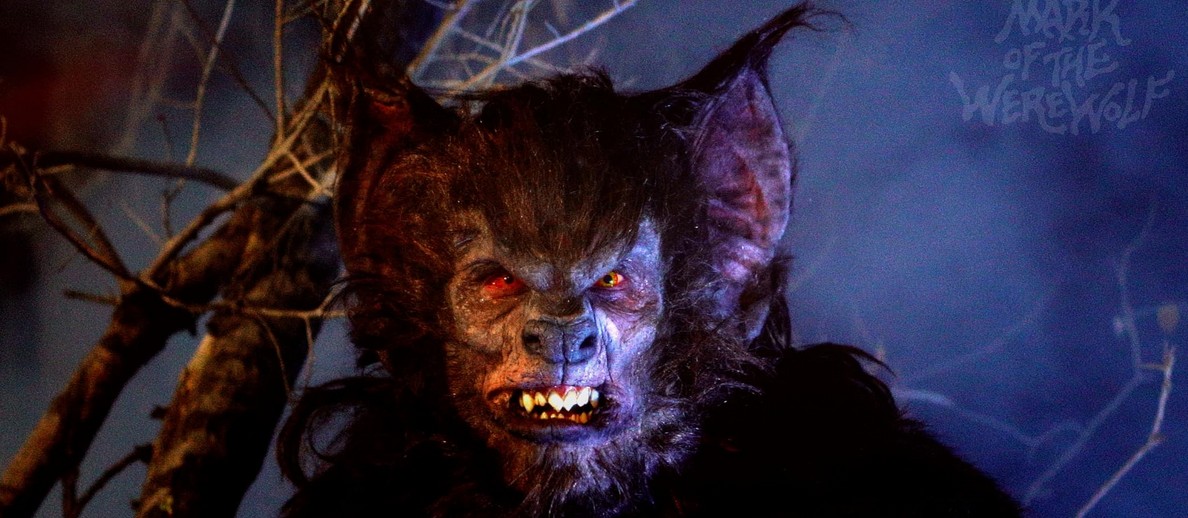
It’s worth noting that the film’s indie nature is part of its charm. There are moments where the budgetary constraints are apparent: sound design isn’t always pristine, and some supporting performances occasionally feel a bit rough around the edges. But these elements never overshadow the overall experience; if anything, they lend Mark of the Werewolf an earnest, almost DIY energy that horror lovers often find irresistible. Vincent’s passion for the project — three and a half years in the making, according to production notes — shines through on screen.
From the effective use of setting to the satisfying creature effects, this movie taps into the thrill of being scared in a way that few scares that many modern big-budget horror releases struggle to achieve. It makes no attempt to redefine the werewolf genre or offer a deeper commentary on lycanthropy; instead, it leans fully into its monster roots and confidently pulls the audience along for the experience.
“Mark of the Werewolf” also hints at deeper lore that could be explored in future installments. The concept of the Wolfgeist — a spiritual, ritual-driven manifestation rather than a mere animal curse — sets it apart from typical werewolf narratives and opens creative doors for sequels or expanded universe storytelling. The film leaves enough unanswered questions and tantalizing hints that fans will happily speculate long after the movie ends.
In summary, Mark of the Werewolf is a refreshing, fun, and bloody good time. It’s not flawless, and it’s certainly not aiming to compete with multimillion-dollar studio monsters, but what it does do — delivering palpable creature horror with heart and personality — it does extremely well. For horror fans craving a fresh take on werewolf mythology with some teeth, this is a film worth your time.